

Enjoy this article via CODAWORX New Engagement Data Makes the Case for Public Art
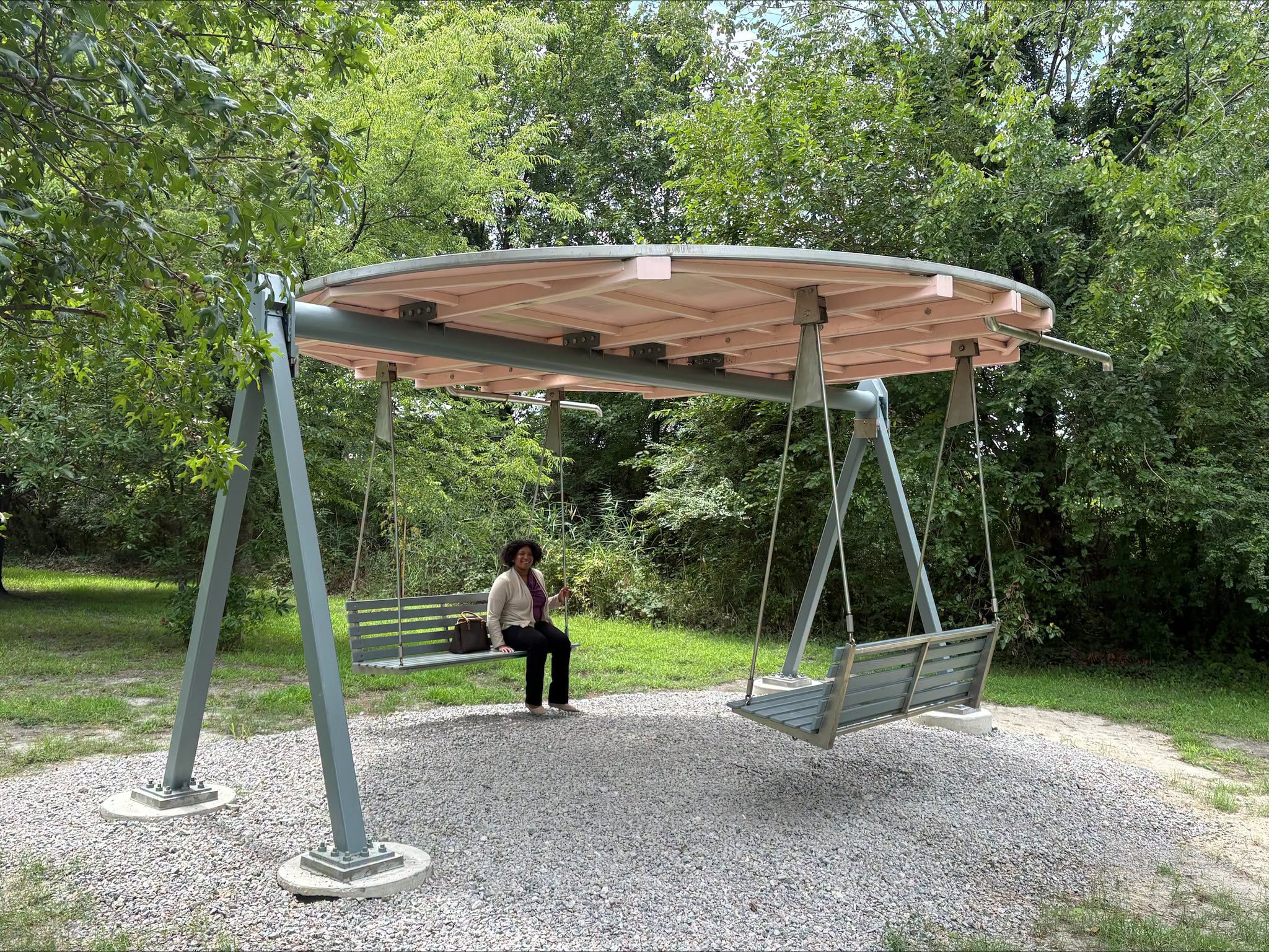
“Among the most profound takeaways, the study revealed a profound positive impact on social behavior, including combating isolation, connection between strangers, and a lasting emotional resonance. Specifically, the study recorded an 82% decrease in solitary behavior in areas featuring the interactive installations, approximately 1 in 2 visitors actively interacted with a stranger while engaging with the public art, and 61% of participants experiencing positive emotional effects lasting beyond 7 days.”
What Audience Data Reveals About the Power of Outdoor Arts via Outdoor Arts UK
New study shows public values culture differently from sector via Arts Professional
“Across segments, respondents said the three main benefits of arts and culture to Britain were: attracting tourists (30% chose this as one of their top three), boosting the economy (28%) and preserving Britain’s past (27%). Improving wellbeing came fourth (24%), bringing communities together seventh (19%) and improving life in local areas eleventh (15%). These three, says the report, are “the pillars of most sector advocacy now”. The research also found that, on average, 76% of those surveyed attended at least one of 14 art forms in the past year, though engagement varied by segment, with Rooted Patriots attending the least. It also showed that arts audiences are “not representative of the population” as a whole. According to the report, Progressive Activists make up 12% of the British population, but 49% of the engaged arts audiences, whereas Sceptical Scrollers, Rooted Patriots, Traditional Conservatives and Dissenting Disruptors are 58% of Britain and just 18% of arts audiences.”
On the impact of public art: How engaging a pedestrian-level exhibition improves neighborhood connectedness and well-being via Science Direct
“We tested whether engagement with a public art exhibition altered visitors’ connection to and satisfaction with their neighborhood, as well as their overall subjective well-being. Participants reported feeling more connected to their neighborhood after engaging with the exhibition and had improved well-being. Improvements were greater when participants felt the artist’s intended emotions and when they reported expansive emotions that open up for further engagement and found the exhibition to be meaningful and understood it. First empirical evidence supporting art as a community-connecting tool through emotional and cognitive engagement.”
Arts & Economic Prosperity via NEA Arts

Recent Comments